All posts
Mastering the Art of UK University Dissertations: A Comprehensive Guide
Tanay · 22 Nov 2025 · 8 min read
DissertationUK UniversitiesAcademic WritingStudy Tips

Introduction
Writing a dissertation is arguably the most significant academic challenge you will face during your time at a UK university. It requires not just knowledge of your subject, but also the ability to research independently, structure complex arguments, and adhere to strict academic standards.
Choosing the Right Topic
Your topic should be specific enough to be manageable but broad enough to allow for in-depth research. Consider gaps in current literature and ensure it aligns with your course requirements.
Structuring Your Dissertation
A standard UK dissertation typically includes: Introduction, Literature Review, Methodology, Results/Findings, Discussion, and Conclusion. Each section plays a critical role in building your argument.
The Importance of Critical Analysis
UK universities prize critical thinking. Don't just describe what others have said; analyze, critique, and synthesize their arguments to support your own.
Conclusion
With careful planning and dedication, your dissertation can be a rewarding culmination of your studies.
Check your own draft before you hand it in.
Grade my assignmentMore from the blog
10 Mistakes That Turn a B Essay Into a C
10 Mar 2026· 2 min read
10 Mistakes That Turn a B Essay Into a C
Sometimes the difference between a B and a C isn’t about effort, it’s about small mistakes that weaken your essay. Avoiding these common issues can significantly improve your grades.
23 Feb 2026· 3 min read
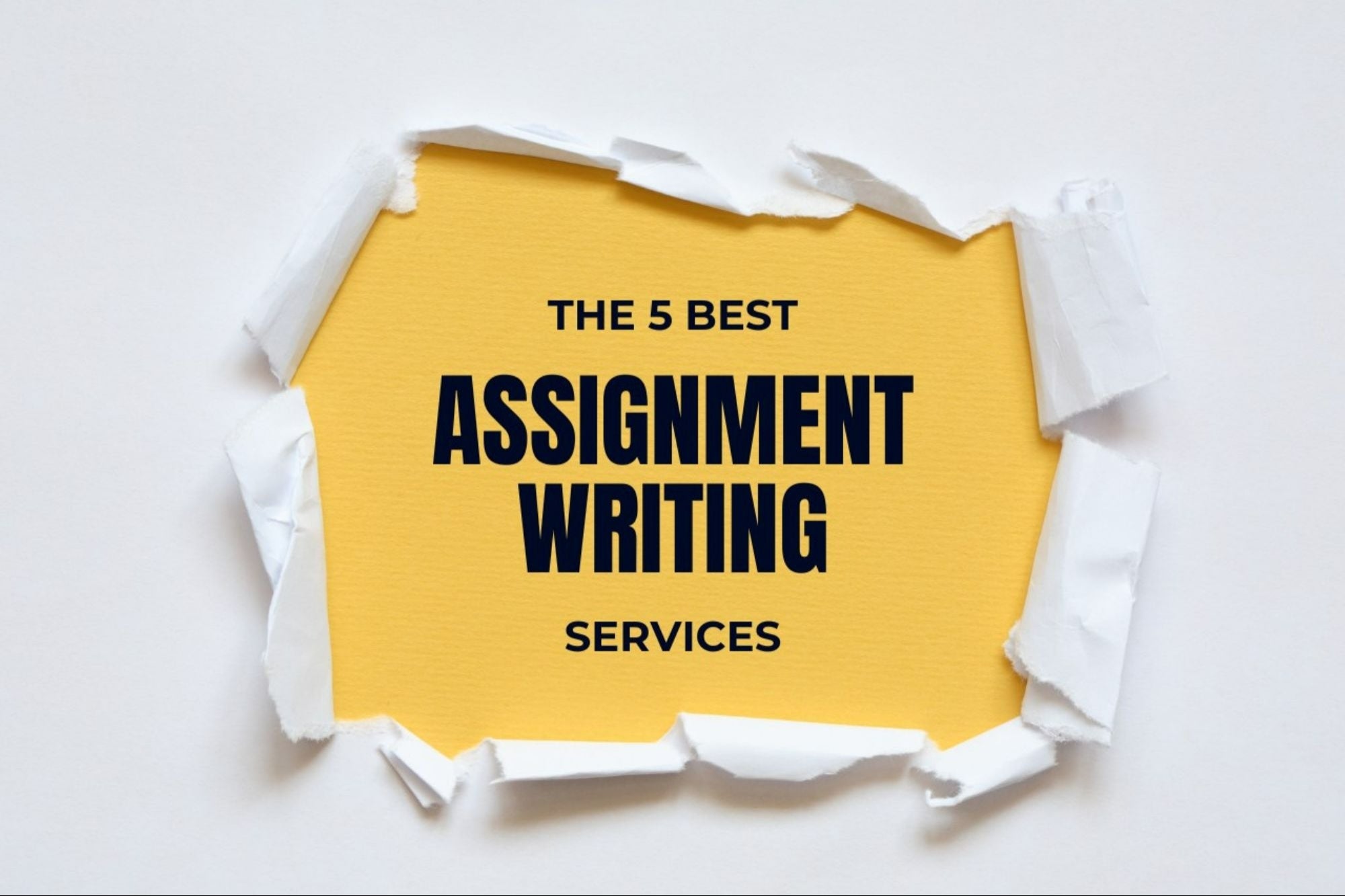
Top 5 Assignment Help Companies in India: Your Guide to Academic Success in 2026
Studying abroad or even at top-tier Indian universities has become more competitive than ever. With 2026 academic standards shifting toward deep critical analysis and strict AI policies, students are often left overwhelmed by massive workloads and complex rubrics.
How to Read University Assignment Guidelines Like a Pro
20 Feb 2026· 4 min read
How to Read University Assignment Guidelines Like a Pro
Landing in a new country for your studies is a whirlwind of excitement, but the first time you open an "Assignment Brief" or "Module Handbook," that excitement can quickly turn into confusion. In abroad universities, especially in the UK, USA, Canada, and Australia—the guidelines aren't just "suggestions." They are a legalistic contract. If you miss a minor detail in the instructions, you can lose 10-20% of your marks before the professor even reads your first sentence.